Source Eco Friendly Cat Tree for Climbing, Scratching, and Resting
Explore 30 eco friendly cat tree options featuring bamboo, wood, and rattan materials. Compare minimalist designs, sisal rope standards, and stable structures for kittens and adult cats. View models like HMS-YMW-42000 and YS91598 with CE and SGS certifications; compare the available evidence and request quotations based on your requirements.
Key considerations
Products List


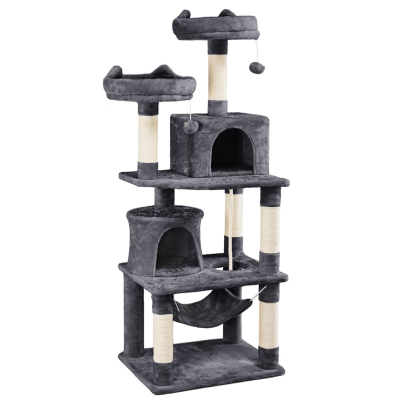
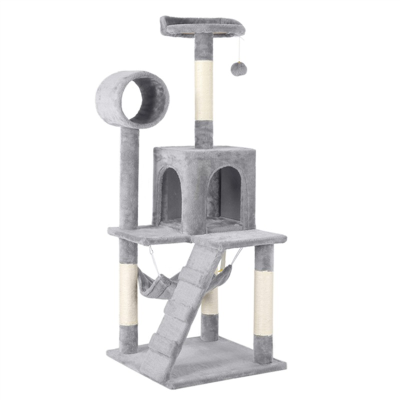
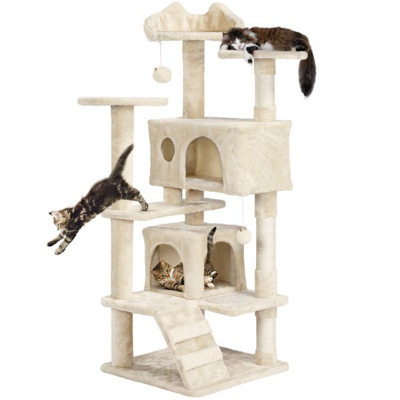
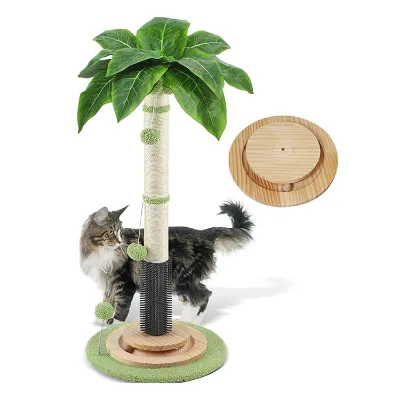
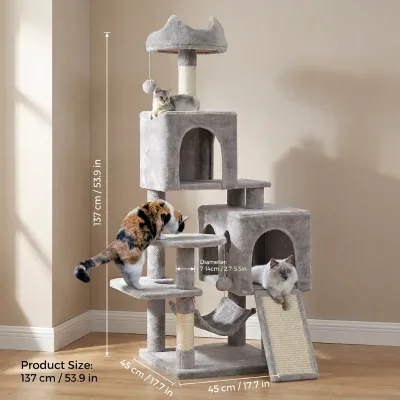


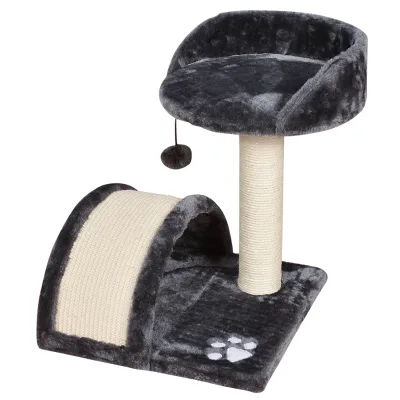

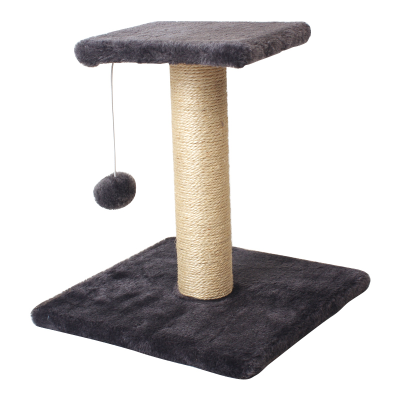
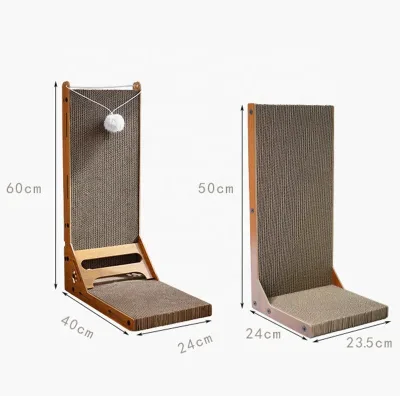
Comprehensive Sourcing Guide
Eco Friendly Cat Tree Sourcing Guide
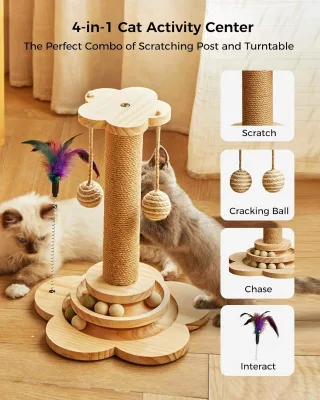
Buyers evaluating eco-friendly cat trees must first distinguish between specific material claims and general product attributes found in listings. The available data confirms that bamboo is a primary material for cat scratchers, while wooden structures often utilize solid wood, MDF, or particle board. Sourcing decisions should prioritize suppliers who explicitly define their core materials, as the distinction between solid wood and composite boards significantly impacts durability and environmental impact.
Procurement teams should also verify the specific design styles and functional configurations offered by potential vendors. Listings indicate a range of minimalist modern, ins style, and forest style designs that incorporate climbing, scratching, and resting functions. When selecting a product, buyers must ensure the chosen model aligns with the intended cat age group, whether for kittens requiring short models or adult cats needing tall structures with stable single or double post support.
Product Scope and Observed Listing Signals
The market for eco-friendly cat trees presents a wide price range, with observed listings spanning from 1.8 to 99 USD. This variance often reflects differences in material quality, structural complexity, and customization levels rather than just brand prestige. Buyers should analyze the minimum order quantity, which ranges from 1 to 720 units, to determine if a supplier can accommodate their specific volume requirements without forcing excessive inventory buildup.
Product specifications reveal that many units are designed for global shipping, with origins primarily in China and major ports like Shanghai or Ningbo. Delivery timelines vary significantly, with some suppliers offering shipment within 30 days while others require up to 45 days or a range of 20 to 40 days. Procurement planners must account for these lead times when scheduling inventory replenishment to avoid stockouts during peak demand periods.
Technical Specifications to Verify
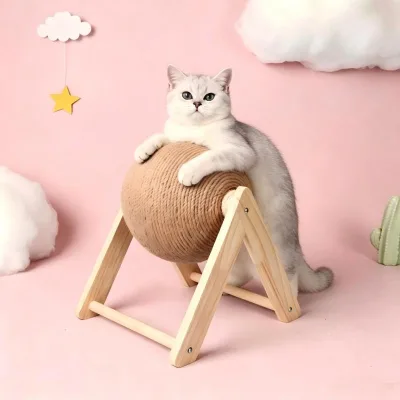
Technical due diligence requires confirming the structural integrity and material composition of the cat tree. Buyers should verify that the core functions include climbing, scratching, and perching, supported by stable structures such as triangular supports or bot designs. The presence of sisal rope as a standard material for scratching posts is a key indicator of quality, ensuring the product meets the natural instincts of cats while maintaining durability over time.
Dimensional and packaging details are critical for logistics planning and final assembly. Listings show specific model numbers like HMS-YMW-42000 and YS91598, with some units reaching heights of 192cm. Packaging varies from polybags with tags to custom requests, and buyers must ensure the packing dimensions, such as 535320, fit within their shipping constraints to minimize freight costs and damage risks during transit.
Compliance and Safety Documentation
Safety and compliance are paramount when sourcing pet products, and buyers must request valid certification documents from suppliers. The observed data includes certifications such as CE, SGS, ISO9001, and BSCI, which indicate adherence to international safety and management standards. It is essential to verify that these certificates are current and applicable to the specific product model being purchased, rather than relying on generic claims.
Environmental claims should be substantiated by clear documentation regarding the eco-friendly nature of the materials used. While some listings mention eco-friendly features, buyers should seek evidence of sustainable sourcing practices, such as FSC certification for wood products, to validate these assertions. Ensuring that the product is non-electric and made from safe, non-toxic materials is a fundamental requirement for protecting animal health and meeting consumer expectations.
Cost Drivers and Commercial Terms
Commercial negotiations for eco-friendly cat trees involve balancing material costs, customization fees, and payment terms. Suppliers often accept payment methods like T/T or L/C, and the availability of free samples can help buyers assess quality before committing to a large order. Understanding the cost drivers, such as the use of solid wood versus particle board, helps buyers justify price differences and negotiate better terms based on material value.
Minimum order quantities and shipping terms significantly influence the total cost of ownership. With MOQs ranging from 1 to 720 units, buyers can find suppliers suitable for both small trial orders and large-scale distribution. However, the delivery time of 30 to 45 days after payment must be factored into the cash flow cycle, ensuring that funds are available to cover production and shipping costs without disrupting business operations.
Supplier Qualification and Quality Control
Supplier qualification involves verifying the manufacturer's capacity to produce consistent, high-quality products. The presence of factory status and the ability to provide customized packaging or designs are strong indicators of a capable supplier. Buyers should prioritize partners who offer stock availability and can meet specific requests for hangtags or custom packing, ensuring that the final product aligns with brand identity and market requirements.
Quality control processes must be established to maintain product standards throughout the supply chain. Buyers should request detailed information on production standards, such as CE, BSCI, and ISO9001, to ensure that the manufacturing process adheres to strict quality benchmarks. Regular inspections and clear communication channels are necessary to address any deviations in material quality or structural stability before the products reach the end consumer.
Long-Term Procurement Checks
Sustaining a successful procurement relationship requires ongoing monitoring of supplier performance and product consistency. Buyers should regularly review delivery times, which can vary from 20 to 45 days, to ensure that the supply chain remains reliable and responsive to market changes. Establishing clear expectations for lead times and communication protocols helps prevent delays and ensures that inventory levels remain optimal.
Continuous evaluation of product features and market trends is essential for maintaining a competitive edge. As styles evolve from minimalist modern to forest or cartoon designs, buyers must stay informed about new model numbers and material innovations. Regularly assessing the suitability of products for different cat ages and ensuring that eco-friendly claims remain valid will help maintain customer satisfaction and brand reputation over the long term.
FAQs
What materials are used in eco friendly cat trees?
Eco friendly cat trees typically utilize sustainable materials such as bamboo, solid wood, and rattan. These natural components are often combined with MDF or particle board for structural stability. The scratching posts are usually wrapped in sisal rope, which is durable and safe for cats. This material selection ensures the product is both environmentally responsible and functional for pet activities.
Can eco friendly cat trees be customized for buyers?
Yes, customization is available for many eco friendly cat tree models. Buyers can request specific packaging options, such as polybags with tags or hangtags, tailored to their market needs. Some suppliers also offer custom branding or design adjustments. This flexibility allows businesses to align the product with their brand identity while maintaining the core eco-friendly attributes and structural integrity required for cat furniture.
What certifications do eco friendly cat trees typically hold?
Many eco friendly cat trees hold certifications such as CE, SGS, ISO9001, and BSCI. These standards verify product safety, quality management, and social compliance in manufacturing. While FSC certification is noted in some contexts, the primary verified standards include CE and ISO9001. These certifications assure buyers that the products meet international regulatory requirements for safety and ethical production practices in the pet furniture industry.
What is the typical delivery time for eco friendly cat trees?
Delivery times for eco friendly cat trees generally range from 20 to 45 days after payment confirmation. Some suppliers offer shipping within 30 days, while others may require up to 45 days depending on order volume and production schedules. This lead time allows for proper manufacturing and quality checks. Buyers should confirm specific timelines with suppliers to ensure alignment with their inventory planning and market launch requirements.
Which core functions do eco friendly cat trees provide?
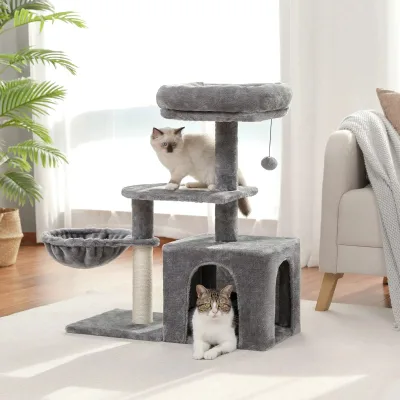
Eco friendly cat trees provide essential functions including climbing, scratching, resting, perching, and hiding. These features support natural cat behaviors and promote physical activity. The structures often include single or double posts, triangular supports, and multiple levels. Designed for all cat ages, from kittens to adults, these trees offer versatile engagement spaces that combine functionality with sustainable design principles for modern pet households.
Where are eco friendly cat trees typically manufactured?
Eco friendly cat trees are typically manufactured in China, with specific origins often listed as Zhejiang or other mainland regions. Major shipping ports include Shanghai and Ningbo, facilitating efficient export logistics. This manufacturing hub provides access to skilled labor and sustainable material sourcing. Buyers can expect consistent production capabilities and established supply chains for exporting these pet furniture products to global markets.